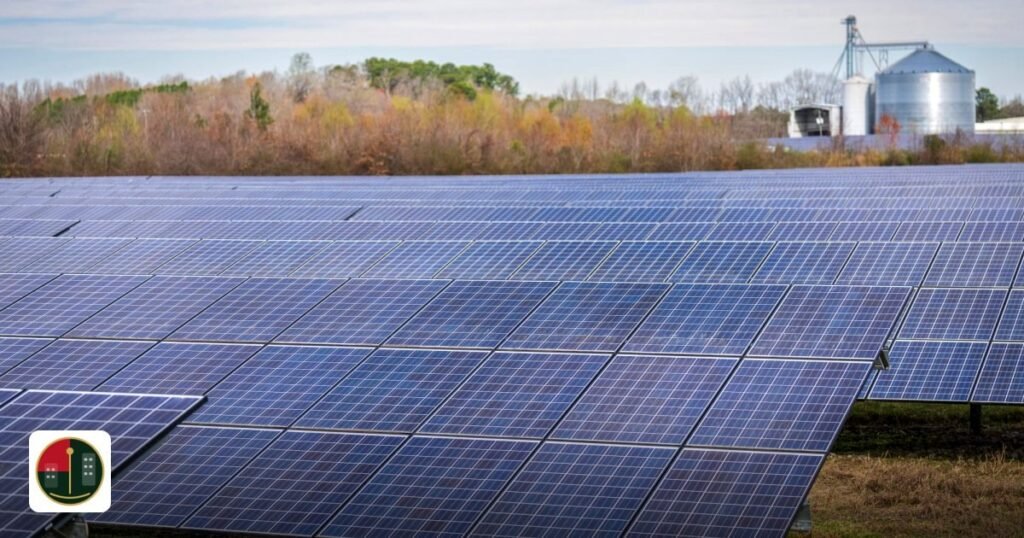
Sustainability has become a selection criterion for founders who must answer to investors, customers or their own values, yet the quality of UAE free zone sustainability initiatives varies widely. This guide sets out a neutral way to evaluate them, shows how different types of zone tend to differ, and ends with a verdict you can apply to your own shortlist.
What counts as a genuine sustainability initiative in a free zone?
A genuine initiative is something specific, documented and applicable to the business that will operate there. That might be a green building standard applied to offices and warehouses, a policy on renewable energy supply, a waste and recycling programme, or a requirement or incentive linked to environmental performance. A slogan on a brochure does not qualify on its own.
It helps to separate three layers. The first is the zone authority’s own policy: what it commits to for its estate, infrastructure and operations. The second is the built environment: the buildings, utilities and services a tenant actually uses. The third is the tenant community: whether the zone attracts and supports companies working in clean technology, circular economy, sustainable finance or related fields.
Each layer matters for a different reason. Policy tells you about intent, the built environment determines what you can do in practice, and the community affects the peers, partners and customers you can reach. A zone can be strong in one layer and weak in another, so avoid treating sustainability as a single score.
How do different types of UAE free zone compare on sustainability?
Free zones fall into broad families, and the family often predicts what kind of initiatives to expect. The comparison below is deliberately qualitative. Use it as a prompt for questions, not as a ranking of individual zones, and consider reviewing multiple zones side by side before you decide.
| Zone type | Typical sustainability emphasis | What to verify | Best suited to |
|---|---|---|---|
| Clean technology and innovation zones | Research, renewable energy and low-carbon design, often central to the zone’s identity | Named programmes, facilities and tenant mix | Climate technology, research and sustainability consulting |
| Industrial and logistics zones | Energy use, waste handling, emissions and water management | Utility standards, environmental permits and monitoring | Manufacturing, warehousing and heavy operations |
| Financial centres | Sustainable finance, disclosure and green building standards for offices | Published frameworks and whether they apply to your activity | Funds, advisory firms and financial services |
| Media, creative and general business zones | Building efficiency and office sustainability, usually less central to the offer | Building certifications and operational policies | Service, creative and trading businesses |
Some free zones were designed around sustainability from the start, such as Masdar City Free Zone, which positions itself around clean technology. Other zones have added programmes over time. Because offerings change, always confirm the current position with the zone itself rather than relying on a general reputation.
Which criteria should you use when evaluating a zone?
Start with the evidence the zone publishes. Reports, policy documents, named programmes and building certifications give you something to verify. Be cautious where claims are general, unattributed or impossible to check, and note whether the zone explains how it measures progress.
Then look at what applies to you as a tenant. A zone may have an impressive estate-level programme that does little for a company renting a flexi‑desk. Ask whether requirements or incentives apply to your premises, your activity and your licence type, and who is responsible for compliance.
Finally, consider fit with your business. A consultancy that sells sustainability services benefits from a recognised cluster, while a manufacturer may care more about energy supply and waste handling. Use this checklist when you assess each option:
- Is there a written sustainability policy or report that you can read?
- Do the buildings or facilities hold recognised green certifications?
- What utilities, energy sources and waste services are offered to tenants?
- Are there tenant requirements, incentives or reporting expectations?
- Does the tenant community include peers, customers or partners in your field?
- Are there permits or environmental conditions linked to your activity?
- Can the zone provide references or named contacts for sustainability questions?
Where do cost, visas and renewals fit into the sustainability decision?
Sustainability is one factor among several, and it rarely changes the basic cost structure by itself. The decision still depends on licence type, visa allocation, premises and the full cost across the first year and renewals. A higher‑spec building, for example, may carry a different rent from a standard one, so ask for a clear explanation of what you are paying for.
When comparing, request a written quotation that separates one‑off setup fees from recurring costs and identifies anything linked to environmental facilities or compliance. This avoids the common mistake of comparing a low first‑year offer with a fuller package that includes services you will need anyway. Treat any figure you are given as indicative until it is confirmed in writing by the zone.
Keep tax in perspective as well. Corporate tax treatment turns on qualifying free zone status and the nature of your income, and not on a zone’s environmental programmes. Speak to a qualified adviser about your own structure before assuming any benefit.
How reliable are green claims, and how can you test them?
Environmental marketing can be vague, so it pays to test claims. Ask for specifics: which standard, which buildings, what measurement and what time period. If the answer is general, treat the claim with caution. If the zone can point to published documents and named programmes, that is a stronger sign.
Visit where possible, or request a virtual walkthrough. Look at the actual buildings, waste facilities, parking and transport links, and talk to existing tenants about what the zone does in practice. Their experience of how the programmes affect daily operations is often more revealing than any brochure.
Also check how often policies are reviewed. A zone that updates its commitments and reports on results shows ongoing effort, while one that cannot say when its policy was last revised may be relying on old claims. Where a claim matters to your own reporting or marketing, get it confirmed in writing.
Which questions should you put to each zone before you sign?
Use the same short list with every zone you consider, so that the answers are comparable. Ask which sustainability policy or report currently applies and when it was last updated. Ask which parts apply to your premises and licence type, and whether any are mandatory, optional or chargeable.
Ask what happens if requirements change during your licence term, and whether your agreement allows you to exit or adjust your package. Free zones update rules and fees from time to time, and the contract wording tells you how much of that risk you carry.
Finally, ask who your point of contact would be for environmental queries, and how quickly they respond. A named, knowledgeable contact is a practical sign that the initiative is run seriously, and it will save you time if your own customers or auditors ask for evidence later.
What is the verdict for founders at the shortlist stage?
For founders at the shortlist stage of company setup, the practical approach is to treat sustainability as a tie‑breaker that can become decisive in specific cases. If your business is built around clean technology, research or sustainable finance, a zone with a clear sustainability identity and a relevant community is likely to offer the best fit. If your priorities are cost, visas or sector rules, a general zone with solid building standards is usually enough.
In every case, ask for evidence, compare the same questions across two or three options, and put the answers in writing. That way, your choice rests on verified information instead of marketing. Zones change their offers regularly, so confirm the current position with each authority before you commit.
Frequently Asked Questions
Do UAE free zones have sustainability requirements for tenants?
It varies by zone. Some publish sustainability policies, green building standards or reporting expectations, while others leave environmental practice largely to the tenant. Ask each zone for its current written requirements.
Which type of free zone is best for a sustainability‑focused business?
Zones built around clean technology, research or innovation tend to offer a closer fit, including networks and facilities. A business with other priorities may still prefer a general zone, so match the zone to your activity first.
Can I rely on a free zone's marketing to judge its sustainability record?
Treat marketing as a starting point only. Look for published reports, named programmes, certifications held by buildings or operations, and verifiable detail rather than general claims.
Does a sustainability initiative change my licence or costs?
Not necessarily. Sustainability programmes are often optional or tied to specific buildings and facilities, so costs depend on the package you choose. Request an itemised quotation that lists any related requirements.
How do sustainability goals relate to corporate tax in a free zone?
They are separate matters. Corporate tax treatment depends on qualifying free zone status and the nature of your income, not on a zone's environmental programmes. Take professional tax advice for your own structure.